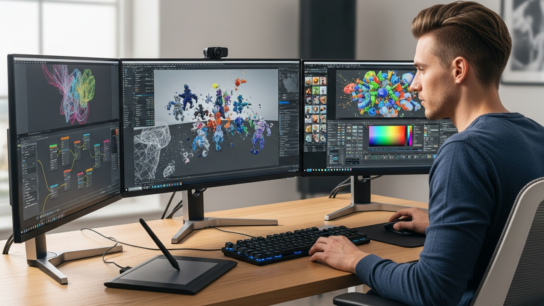

Step-by-Step Guide to Applying for PGWP After Completing a VFX Certificate

Completing a VFX certificate in Canada opens doors to exciting career opportunities in the country's thriving visual effects industry. The Post-Graduation Work Permit (PGWP) serves as your gateway to gaining valuable Canadian work experience, potentially leading to permanent residence. This open work permit allows VFX graduates to work for any employer in Canada without requiring a job offer or Labour Market Impact Assessment.
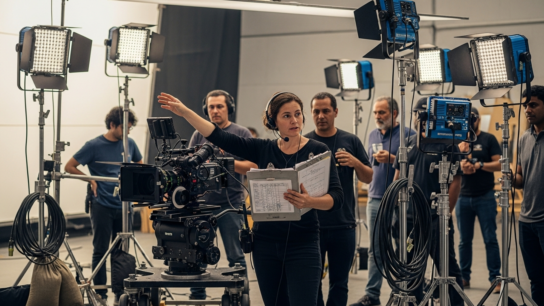

What Film Producers Look for in Assistant Director Candidates

The role of a 1st Assistant Director represents one of the most critical positions in Canadian film production, serving as the director's right hand and the operational backbone of any successful shoot. According to industry organizations like Reel Canada and the Directors Guild of Canada (DGC), producers seek AD candidates who can seamlessly bridge creative vision with logistical execution, ensuring productions stay on schedule and within budget while maintaining the highest safety standards.

Navigating Health Insurance Requirements for International Game Design Students

International students pursuing game design programs in Canada face a critical requirement that can make or break their educational journey: mandatory health insurance coverage throughout their entire study permit duration. With provinces like British Columbia, Ontario, and Alberta serving as major hubs for game design education, understanding the complex landscape of health coverage requirements becomes essential for avoiding potentially devastating financial consequences.

How to Evaluate Animation Program Accreditation and Industry Recognition

Canada has earned an exceptional global reputation in animation education, producing talent that powers major studios worldwide. Renowned institutions like Sheridan College and Vancouver Film School (VFS) consistently rank among the top animation schools internationally, contributing to blockbuster films, award-winning animated features, and cutting-edge digital content. This excellence stems from rigorous accreditation standards, strong industry partnerships, and proven alumni success rates that validate these programs' quality and relevance.

The Impact of Remote Work Policies on Entry-Level VFX Job Searches

The Canadian VFX industry has experienced dramatic shifts in employment patterns, with entry-level job opportunities declining by 22% in 2024 as remote work policies reshape the competitive landscape. This transformation presents a complex duality for junior prospects, who must navigate both expanded global access and intensified competition in an increasingly digital-first hiring environment.

Building a Technical Art Portfolio for Game Development Programs

The Canadian game development industry is experiencing unprecedented growth, with technical artists becoming increasingly sought after by leading programs at institutions like Kwantlen Polytechnic University, Red River College, and Langara College. Unlike traditional art portfolios that rely heavily on static renders and concept art, technical art portfolios for Canadian programs must demonstrate real-time engine proficiency, shader development skills, and game-ready asset creation capabilities.

How Studio Pipelines Differ From International Workflows

When Marvel Studios collaborated with Canadian VFX houses on recent blockbuster productions, teams in Montreal seamlessly shared USD-formatted assets with partners in London and Los Angeles, enabling real-time collaboration across three continents. This global workflow exemplifies how modern animation and VFX pipelines have evolved beyond geographical boundaries, yet each region has developed distinct approaches to managing complex creative projects.